January 3, 2026|All, Veterans

Applying proven career development theories to help homeless and unemployed veterans translate skills, rebuild identity, and achieve long-term employment success.
By Jonae Watts, CWDP, GCDF, CCSP, IPS January 2026
Los Angeles, CA — For many veterans between the ages of 30 and 55, the transition from military service to civilian life has been marked not only by unemployment but also by homelessness. Advocates say that while traditional job placement programs help, a more evidence-based career development approach is proving transformative by expanding career options, rebuilding identity, and improving long-term employment outcomes.
The National Career Development Association (NCDA) recognizes several theories that guide career professionals in addressing complex employment challenges. Three in particular — Holland’s Trait-Factor Theory, Super’s Life-Span and Narrative Approaches, and Social Cognitive Career Theory (SCCT) paired with Krumboltz’s Planned Happenstance— are being applied in innovative ways to support homeless and unemployed veterans.
Translating Military Competencies: Holland’s Trait-Factor Theory
Many service members leave the military with leadership, logistics, operations, or technical skills, but often struggle to see how these translate into civilian careers. Holland’s Trait-Factor model helps by assessing interests, values, and abilities to:
- Translate military occupational specialties (MOS) into civilian roles such as supply chain, project management, or technical trades.
- Move beyond stereotypes that veterans are suited only for security or law enforcement roles.
- Align personal interests with industries like information technology, healthcare, skilled trades, and other future-focused labor market occupations.
California universities and community colleges offer free certificate programs that lead to sustainable careers. In Los Angeles, UCLA Extension’s VetJet program provides certifications in Data Science, Cybersecurity, and Project Management, available online or in-person at no cost. The key is selecting programs that match a veteran’s skills and interests while preparing them for future career pathways.
“When veterans discover that their military training translates directly to civilian work, they start to see a clear path forward,” said one workforce development professional. “It shifts the focus from survival jobs to sustainable careers.”
Guiding a veteran into a security role solely because they served in the infantry may not always be the best approach. Career assessments may reveal strengths in logistics or operations, making supply chain management or similar fields a better fit. This approach not only ensures a stronger skills match but also boosts confidence and increases long-term employment retention.
Rebuilding Identity and Meaning: Super & Narrative Approaches
For veterans who have experienced unemployment or homelessness, a sense of identity is often diminished. Super’s Life-Span, Life-Space Theory, combined with narrative counseling, provides a framework for helping veterans reconstruct their self-image and rediscover purpose. Counselors guide veterans to:
- Tell their story in ways that highlight resilience, adaptability, and transferable skills.
- Envision roles beyond “job seeker” or “veteran,” such as mentor, learner, leader, or trainer.
- Find dignity and purpose in evolving career paths.
“A veteran who once felt ‘unemployable’ can begin to reframe himself as a mentor, learner, or even a future business owner,” explained one career counselor working with older veterans. “That shift in identity restores dignity and direction.”
Yas Hardaway, Executive Director of Career Services and Adjunct Faculty at Pepperdine University’s Graduate School of Education and Psychology (GSEP) in West Los Angeles, California, adds that another valuable framework—Career Construction Theory, developed by Mark Savickas—offers veterans a powerful tool for navigating career transitions through the Career Construction Interview (CCI). This narrative-based approach empowers veterans to author their own transition story by connecting past experiences, present challenges, and future aspirations into a coherent and purposeful career narrative.
Hardaway states, “through guided reflection on early recollections, role models, and other narrative prompts, veterans collaborate with career counselors to uncover meaning and identify their overarching life theme—how they want to matter in civilian life. This approach goes beyond aligning skills with job titles. Instead, it encourages veterans to design careers that resonate with their core sense of purpose and identity.”
Hardaway’s remarks aptly capture the essence of this transition process. Veterans bring a unique perspective shaped by both military service and personal life experiences—wisdom that can translate into roles supporting fellow veterans, such as peer counseling, case management, suicide prevention, and substance use counseling. Because veterans often connect with each other on a deeper level, they can be especially effective in these positions.
Several peer support training programs offer pathways into these roles, including Loyola Marymount University’s Vet2Peer Program and the Department of Mental Health’s Peer Support Training, which provides assistance for passing certification exams administered by the California Mental Health Services Authority (CalMHSA).
Other meaningful, high-demand career opportunities include teachers, substitute teachers, and testing room monitors. Veterans with leadership experience and relevant competencies often find these positions to be a natural fit—allowing them to leverage their skills while making a lasting contribution to their communities.
Overcoming Barriers and Building Adaptability: SCCT & Krumboltz
Veterans often face multiple barriers, including age bias, gaps in civilian employment, lack of credential recognition, mental health challenges, or homelessness. These obstacles can sometimes occur simultaneously and are often beyond the veteran’s control, leading to uncertainty, depression, or self-sabotage, which can prevent progress along a career pathway.
Social Cognitive Career Theory (SCCT) and Krumboltz’s Planned Happenstance help veterans overcome these challenges by:
- Building self-efficacy through small, achievable steps, such as completing short-term certifications, volunteer work, or temporary projects.
- Clarifying outcome expectations, helping veterans understand employer needs and realistic career trajectories.
- Encouraging openness to chance, including attending workshops, informational interviews, or networking events that may lead to unplanned opportunities.
- Developing adaptability, equipping veterans to acquire new skills, pivot careers, and navigate changing work environments.
For example, assisting a 38-year-old veteran in attending a tech bootcamp—initially just to explore the field—demonstrated how assessed competencies could fit into a civilian role. With guidance and encouragement, the veteran gained confidence, learned new skills, and ultimately secured a full-time IT position. Being open to unexpected opportunities completely changed his career path.
Rebuilding identity and meaning also applies to older veterans, who are often considered the hardest to employ and face additional challenges. Veterans between ages 50 and 60 may require upskilling and retraining, while those 60 to 75 might need career transitions due to longer unemployment gaps, physical limitations, ageism, and other multiple barriers. Despite these challenges, the principle of using evidence-based career development theories remains effective, though tailored approaches—including retraining, upskilling, or exploring new career paths—are often essential. Significantly, reclaiming identity, meaning, and purpose can contribute to improved mental health and reduce depression, which is especially prevalent in older veteran populations. I plan to explore this topic further in a future article.
In practice, applying SCCT and Krumboltz often involves gradually exposing veterans to new experiences, providing encouragement, and sometimes accompanying them to events. This approach can transform uncertainty and hesitation into positive, productive outcomes.
Programs that incorporate these principles allow veterans not only to gain employment but also to sustain it, adapt to new challenges, and grow professionally over time.
Employment Retention Evidence
Beyond placement, studies suggest theory-informed approaches improve retention:
- The National Career Coach Program (NCCP), a randomized controlled trial, found veterans in coaching-based interventions had higher employment rates (95% vs. 83%) and higher monthly earnings at two-year follow-up. (Journal of Career Assessment, 2022)
- The Veterans Health Administration’s Therapeutic and Supported Employment Services (TSES) showed that veterans with mental health conditions who engaged in supported employment programs had greater odds of retaining competitive work. (Psychiatric Services, 2021)
These findings highlight that structured, evidence-based interventions do more than place veterans in jobs — they help sustain careers.
Conclusion
For homeless and unemployed veterans aged 30–55, applying Holland’s Trait-Factor Theory, Super’s Life-Span and Narrative Approaches, and SCCT with Krumboltz’s Planned Happenstance provides far more than short-term job placement. These evidence-based models offer a comprehensive framework that addresses the unique challenges veterans face as they transition from military service to civilian life.
- Clarifying career fit: By translating military skills, leadership experience, and technical competencies into broader civilian career pathways, veterans gain a clearer understanding of their options and potential. This helps move beyond stereotypical employment roles and opens doors to industries that may have been previously overlooked. For example, logistics expertise can lead to supply chain management, while technical or analytical skills may be applied in IT, healthcare, or data analysis.
- Rebuilding identity and purpose: Narrative approaches and life-span frameworks help veterans reframe their life stories, emphasizing resilience, adaptability, and transferable skills. This process not only restores a sense of dignity but also strengthens self-confidence and motivation. Veterans are able to envision themselves not merely as job seekers but as mentors, leaders, and contributors to their communities, creating a renewed sense of meaning in their work.
- Fostering adaptability and resilience: SCCT and Planned Happenstance encourage veterans to embrace uncertainty, experiment with new opportunities, and develop confidence in their ability to navigate changing circumstances. This prepares them to adapt to the dynamic civilian workforce, overcome setbacks, and take advantage of unexpected career openings. Veterans learn to view challenges as growth opportunities rather than insurmountable barriers.
These models also have broader implications for long-term stability and retention. By addressing not just employment placement but the underlying factors of identity, self-efficacy, and career adaptability, veterans are better equipped to maintain employment, achieve career progression, and sustain financial and personal stability. Programs that incorporate these approaches often demonstrate higher rates of employment retention, improved earnings, and enhanced overall well-being among participants.
Moreover, integrating these theories into veteran-specific programs supports holistic recovery and reintegration. Stable employment, combined with renewed purpose and resilience, directly contributes to reducing homelessness, improving mental health outcomes, and fostering stronger social connections. Advocates increasingly recognize that career development is not simply about securing a job—it is about rebuilding lives, restoring dignity, and creating sustainable futures for veterans who have sacrificed so much in service to their country.
As evidence continues to grow, these models are being embraced as essential components of veteran workforce programs, representing a shift from transactional job placement to transformational career development—an approach that empowers veterans to thrive in civilian life, not just survive.
About The Author:
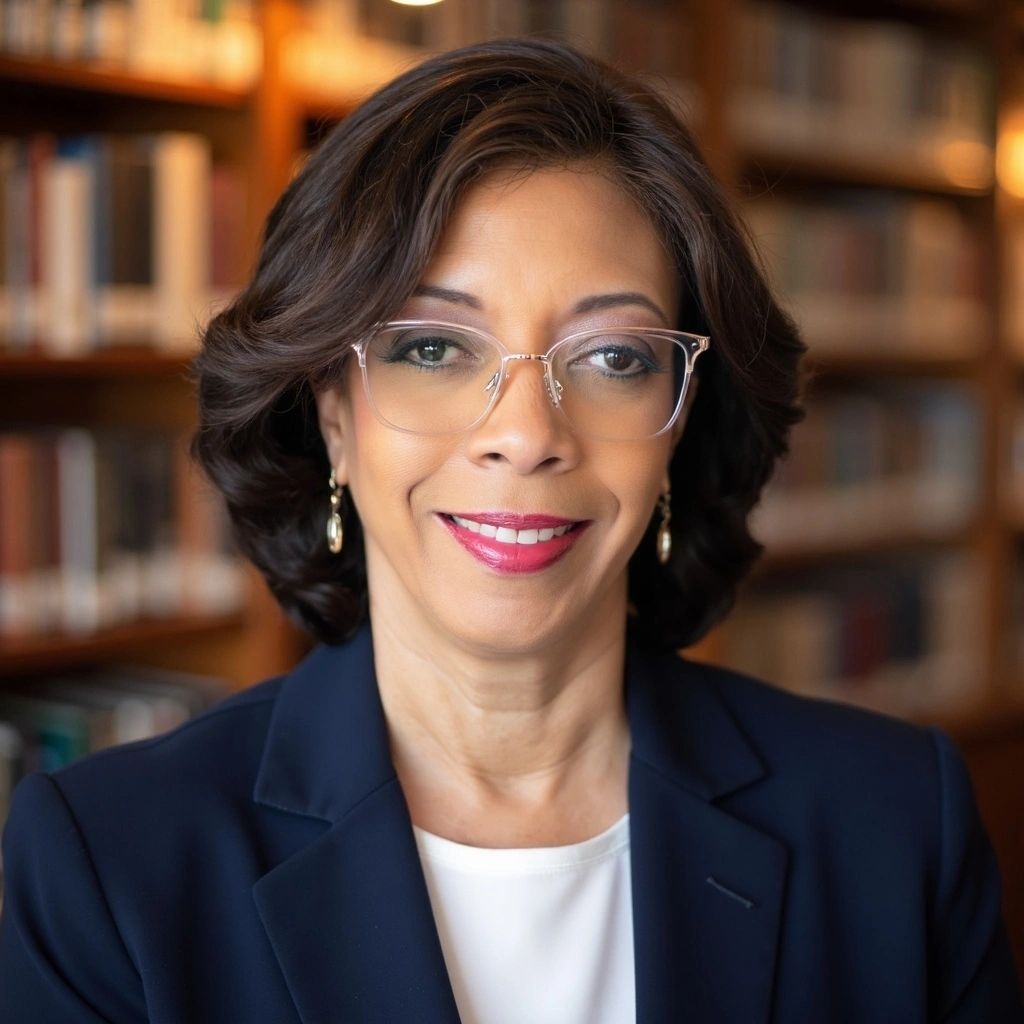
Jonae Watts is a dynamic leader, recent author, and passionate advocate for workforce equity, civic engagement, and public service. Her first book, Interview Readiness Workbook: Knowing the Rules of Interviewing for Young Adults (18–30), is scheduled for release in February 2026. With a career rooted in government, policy, and workforce development, she has dedicated decades to helping veterans, older adults, families, and underserved communities navigate career pathways and achieve economic opportunity.
She has joined BridgePATH Workforce as a volunteer freelance writer. A graduate of Howard University with a degree in Public Relations and a minor in Business Management, Jonae began her career at the global public relations firm Burson-Marsteller before founding her own company, Jonae Communications….
Upcoming Articles:
Supporting Veterans from Marginalized Communities: An Equity-Centered Transition Lens
Older Veterans returning to the Workforce – Veteran Benefits are not meeting the rate of Inflation
Is there a co-relation between veteran unemployment and suicide?
How Non-Traditional Apprenticeships can be an answer to Upskilling Veterans
Can Veterans who are identified with PTSD or other mental conditions employable? What are the Myths or Facts?